Run 3 Tiles Explained: Crumbling, Ice, Ramps, Boxes and Dark Tunnels
Published · 2 min read
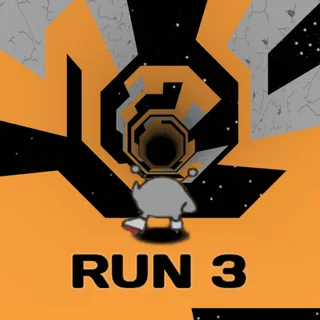
Run 3 has only two things to do — move and jump — so almost all of its difficulty comes from what you are standing on. Once you can recognise each tile type at a glance, levels that felt random start to make sense. These are the ones the game uses most, in roughly the order it introduces them.
Normal tiles and holes
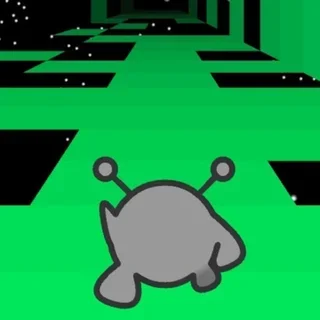
The plain grey tiles are safe, and the black holes between them are space. Falling through a hole restarts the level. The first rule of Run 3 is that a hole in the floor is often a reason to be on a wall instead: move sideways onto the wall and the tunnel rotates so that wall is the new floor.
Crumbling tiles
By far the most common special tile. A crumbling tile looks cracked and falls away a moment after you touch it. You can run across a line of them, but you cannot stop, turn back or wait on one. When a level is full of them, plan your path before you land and keep your jumps short so you do not lose speed.
Ice
Ice tiles keep your sideways momentum after you let go of the key. On ice, a long press sends you straight off the edge. Use short taps, correct early, and let your character settle before the next jump. Winter Games is almost entirely ice.
Ramps and steep tiles
Ramps launch you upward when you run over them, which turns a small jump into a big one. That is useful over a long gap and dangerous under a low section. Steep tiles tilt the floor, so you land at an angle and slide slightly; aim for the middle of the next tile, not its edge.
Boxes
Boxes are solid blocks standing on the tiles. Run into one and you stop dead, which on a crumbling floor usually means falling. Jump over them, or step onto the wall to go round them. The Box Storage Area is built around this idea.
Fast and slow sections
Some stretches speed you up and some slow you down. A fast section shortens the time you have to react; a slow one makes jumps fall shorter than you expect. Watch the first tiles of a new section to feel which one you are in.
Glowing tiles and dark tunnels
In low-power areas the tunnel is dark and tiles only light up close to you. You cannot read the level ahead, so you have to react to what appears. Slow down your hands, stay near the centre of a wall, and remember that the pattern usually repeats.
Rotated and wider tunnels
Not every tunnel is square. Some have six or eight sides, and some start rotated, so "down" is not where you expect it. In a wider tunnel each wall is narrower, and a sideways move rotates the tunnel by a smaller angle — more steps to get round, but finer control.
Putting it together
Late levels mix all of these: an ice ramp onto a crumbling wall, a box on a steep section, a dark tunnel with holes. Name the tile first, then decide what to do with it. That habit is worth more than any character or upgrade.
More from the blog
- How Many Levels Are in Run 3? The Explore Map, Side Tunnels and Infinite Mode
Explore vs Infinite, where each lettered side tunnel branches off, the named areas from Winter Games to The Runway, and how long it all takes.